How to Watch a Meteor Shower (And Actually See Meteors)
How do I successfully watch a meteor shower?
On this page
What a Meteor Shower Actually Is (in Plain English)
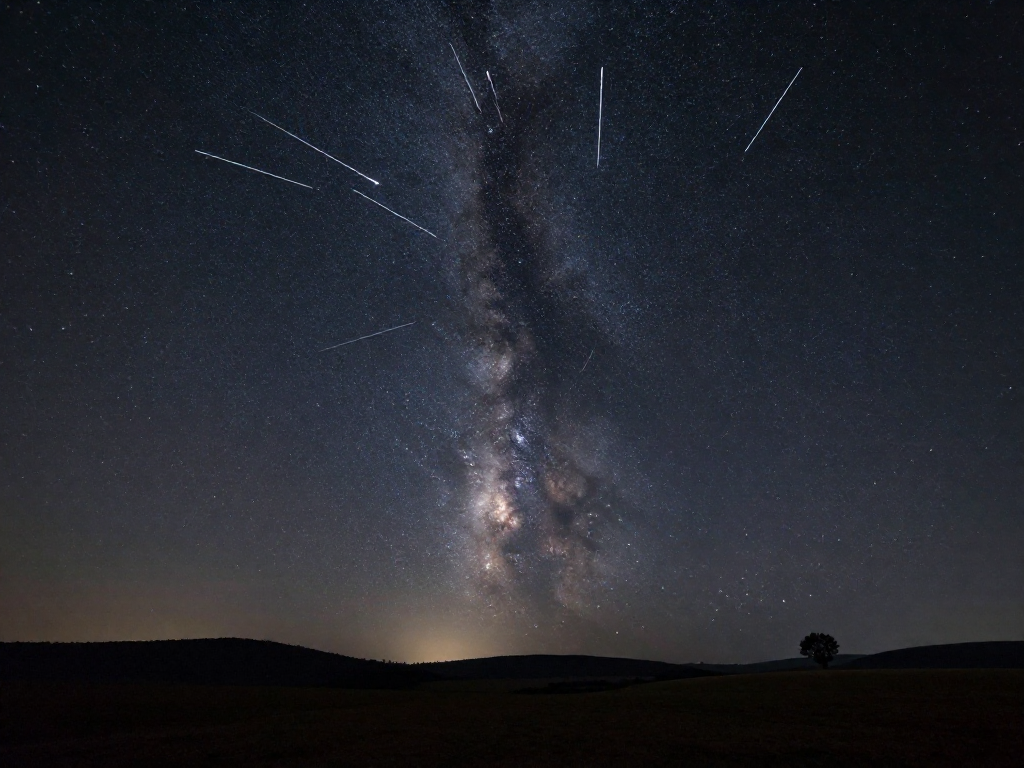
Here's the fun secret: a "shooting star" isn't a star at all. It's a tiny piece of space debris—often no bigger than a grain of sand—burning up as it slams into Earth's atmosphere. That brief, bright streak is the flash of it heating up and vanishing in a second or two.
So where does all that debris come from? Mostly from comets (icy "dirty snowballs" that orbit the Sun) and occasionally asteroids (rocky leftovers from the early solar system). As these objects travel, they shed a trail of crumbs behind them, like a truck dropping gravel on a highway.
A meteor shower happens when Earth, on its yearly lap around the Sun, plows straight through one of these crumb trails. Because we cross the same trail at the same point every year, showers are wonderfully predictable—you can mark them on a calendar.
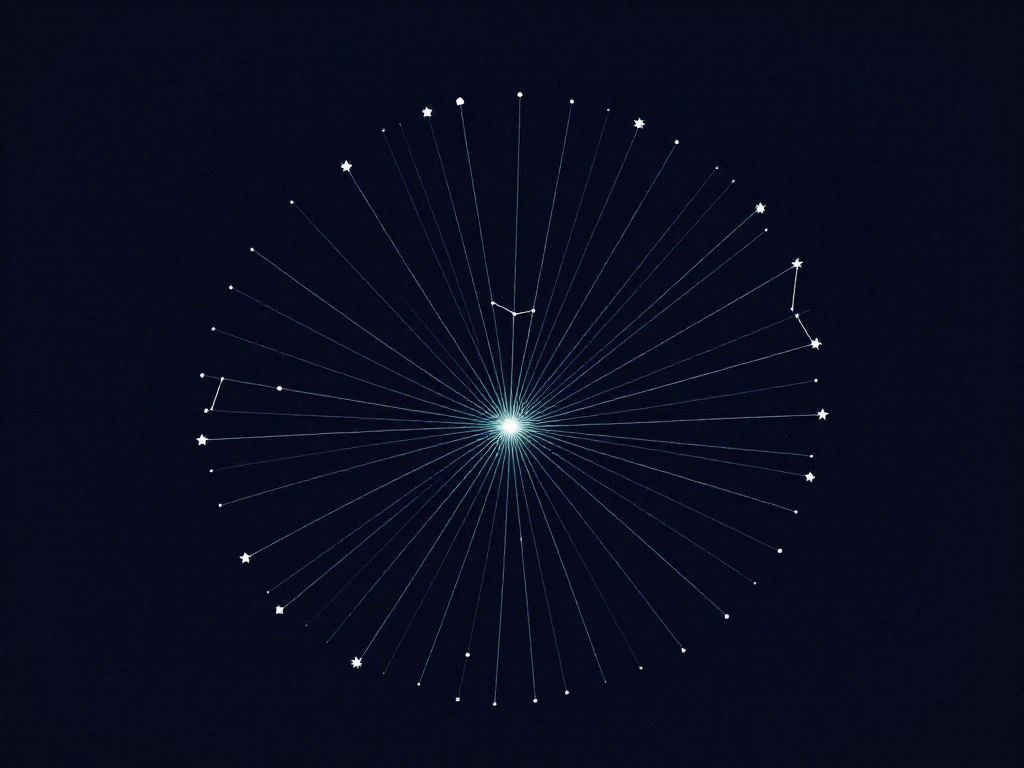
Each shower is named after the radiant: the spot in the sky the meteors seem to shoot out from, which lines up with a particular constellation (the Perseids, for example, radiate from Perseus).
Quick takeaway: Meteor showers are Earth driving through a comet's leftover dust—same trail, same time, every year. (Source: NASA)
Pick the Right Shower and the Right Night
Not all meteor showers are created equal. A handful are reliable crowd-pleasers, and if you're just starting out, stick with these three:
- Perseids (mid-August): Warm summer nights make this the most beginner-friendly shower of the year.
- Geminids (mid-December): Often the richest show of all, with bright, slow meteors—just bundle up.
- Quadrantids (early January): Excellent, but the best activity lasts only a few hours, so timing matters.
Aim for the peak night. Every shower builds to one or two nights when Earth plows through the densest part of the comet's leftover debris trail (think of driving into the thickest part of a dust cloud). Show up on a random date and you'll see a trickle; show up on the peak and you'll see the real thing.
Be realistic about the numbers. You'll often see a shower's strength listed as its ZHR (zenithal hourly rate)—the meteors a perfect observer would see per hour under flawless, pitch-black skies with the shower directly overhead. The Perseids and Geminids each advertise a ZHR around 100–120 (per NASA). In real life, with some light pollution and meteors scattered across the sky, expect a fraction of that—maybe 20 to 60 an hour on a good night. Still plenty to keep you grinning.
Finding this year's peak is easy. Search "[shower name] peak [year]" or open a free stargazing app—both will give you the exact date and best viewing hours.
Quick takeaway: Choose Perseids, Geminids, or Quadrantids, look up this year's peak night, and set your expectations at dozens of meteors per hour—not hundreds.
Timing Is Everything: When to Actually Look Up
Here's the secret most beginners miss: when you watch matters far more than where you point your eyes. Get the timing right and a quiet night can suddenly fill with streaks.
Aim for after midnight, ideally the hours before dawn. This is the golden window. As frustrating as it sounds, the meteors really do save their best show for when you'd rather be asleep.
Why? Picture Earth as a car driving through a swarm of bugs. The windshield—the front of the car—gets splattered, while the rear window stays clean. After midnight, your side of the planet rotates to face the direction Earth is traveling, so you're on the "windshield" plowing straight into the dust. NASA notes this is why morning hours typically deliver more meteors than the evening.
Check the moon before you commit. A bright, near-full moon acts like a streetlight in the sky, washing out all but the brightest streaks. A new moon (when the moon is dark) gives you the inkiest sky and the most meteors. Even shifting your night by a few days to dodge a full moon can double what you see.
Let the night work for you. The radiant—the point in the sky meteors appear to shoot away from, like sparks from a single firework—climbs higher as the night goes on. The higher it rises, the more meteors clear the horizon and become visible.
Quick takeaway: Watch in the hours before dawn, pick a night with little or no moon, and be patient as the sky improves overnight.
Find Dark Skies (Escaping Light Pollution)
If there's one thing that decides whether you'll see a sky full of meteors or just a frustrating handful, it isn't your gear—it's where you stand. The biggest reason people look up and see nothing is light pollution: the glow from streetlights, buildings, and billboards that washes out the night sky the way a bright room makes a phone screen hard to read. Faint meteors simply disappear into that haze.
Here's the good news: you don't need a mountaintop. As a rough guide, you'll want to get at least 20 to 30 miles away from a big city's lights. From a typical suburb you might catch only the brightest streaks, but from genuinely dark countryside you can see ten times as many.
To find a darker spot near you, use a light-pollution map—a free online map that color-codes how bright the sky is, from white and red (very bright, city centers) to blue and gray (nice and dark). A popular one is the Light Pollution Map, based on satellite data. Just look for the nearest patch of green, blue, or gray.
Good local hideaways include:
- State or regional parks (many are open or accessible after dark)
- Rural fields and farmland with a clear, open horizon
- Lakesides and reservoirs, where water keeps the area unlit
- Higher elevations, which lift you above low haze and distant glow
Quick takeaway: Drive away from city lights, aim for a dark zone on a light-pollution map, and your eyes will do the rest.
What to Bring and How to Set Up
Here's the best news about meteor watching: you don't need any fancy equipment. In fact, telescopes and binoculars actually work against you here. They zoom in on a tiny patch of sky, but meteors can streak across anywhere. Your own eyes, which take in the whole sky at once, are the perfect tool. So leave the gear at home.
What you do want is comfort, because the real secret to seeing meteors is simply spending time looking up.
Your packing checklist:
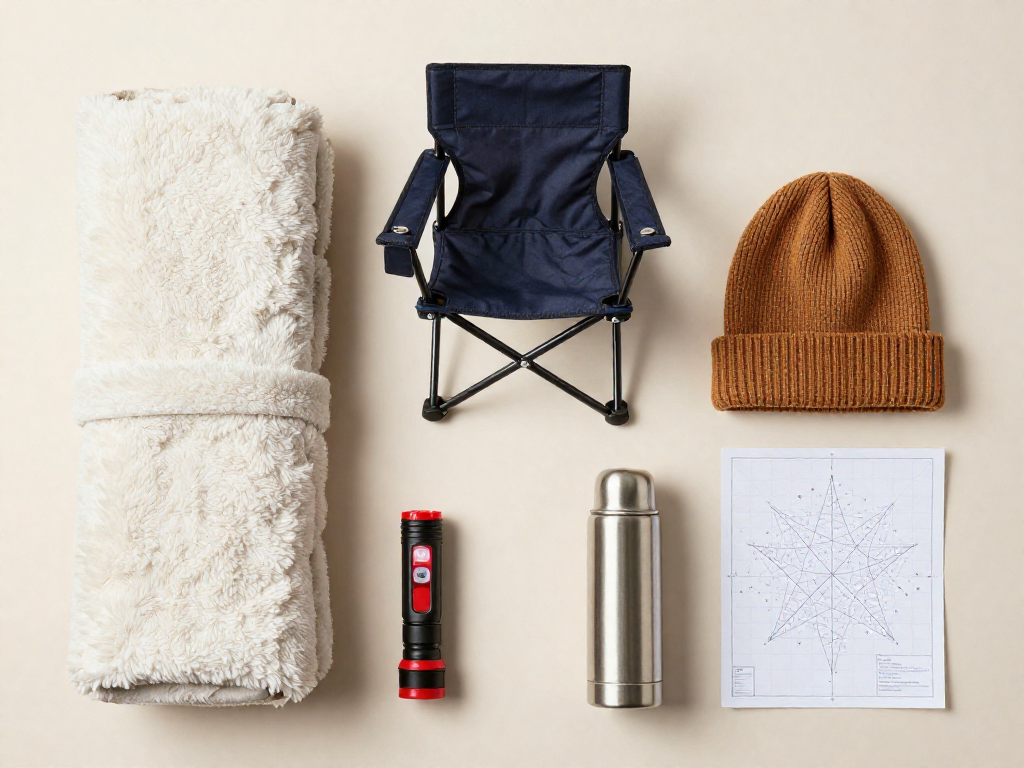
- A reclining lawn chair or a blanket. You'll be staring straight up for a while, and craning your neck gets painful fast. Lying back lets you relax and watch comfortably for an hour or more.
- Warm layers. Even summer nights get chilly when you're sitting still in the dark. Bring more than you think you'll need—a blanket to wrap up in never hurts.
- Snacks and water. Meteor watching is a patient game, and a thermos of something warm makes the wait feel cozy rather than long.
- A red flashlight. Bright white light resets your eyes' night vision, which takes about 20 minutes to fully build up. Red light lets you see without ruining it. (No red flashlight? Tape red cellophane over a regular one.)
Setting up: Position yourself facing away from any lights—streetlights, houses, your car—and look toward the darkest part of the sky. Then lie back, get comfortable, and give your eyes time to adjust.
Quick takeaway: No telescope needed. Bring a reclining chair, warm layers, snacks, and a red flashlight—then settle in facing the darkest sky and let your eyes adjust.
Let Your Eyes Adjust and Be Patient
Here's the secret most first-timers miss: meteor watching is less about looking and more about waiting. Once you've found your spot, the real skill begins.
Give your eyes time to adjust. Your eyes have a "night mode" called dark adaptation—the process where your pupils widen and your vision slowly grows sensitive enough to catch faint streaks of light. It takes about 20–30 minutes to kick in fully. The catch? A single glance at your phone resets the clock and throws you back to square one. If you must check the time, use a red-light setting or a red flashlight, which barely disturbs your night vision.
Settle in for the long haul. Meteors don't arrive on a steady drip. They tend to come in bursts—two or three in a minute—followed by quiet stretches that can last several minutes. Give yourself at least an hour before deciding whether it's a good night.
Scan, don't stare. Your peripheral vision (the edges of what you see) is actually better at spotting movement in the dark. Relax your gaze and take in a wide swath of sky rather than locking onto one spot.
Keep expectations grounded. A handful of meteors per hour is perfectly normal; dozens is a great night. Patience, not luck, is what fills the sky.
Quick Pre-Night Checklist
Screenshot this and you're ready to go. Run through it the day before, not as you're walking out the door.
1. Confirm the peak night and moon phase. Every shower has a "peak"—the night with the most meteors. Check that date, then check the moon phase. A bright full moon washes out faint meteors like a streetlight drowning out stars, so the darker the moon, the better.
2. Pick a dark spot and check the clouds. Choose a location away from city lights, then check the weather. Clear skies beat everything else.
3. Pack the essentials. Reclining chair or blanket, warm layers (it gets cold lying still), snacks, water, and a red flashlight to protect your night vision.
4. Time it right. Arrive before the peak, put the phone away, and look up—the show is usually best after midnight.
FAQ
Do I need a telescope or binoculars to see a meteor shower?
No, and you're actually better off without them. Meteors are streaks of light that flash across a huge stretch of sky in a fraction of a second, so you want the widest view possible. A telescope or binoculars zoom in on a tiny patch, which means you'd almost always be looking in the wrong place when a meteor appears. Your own eyes are the perfect tool. Just find a dark spot, lie back, and take in as much sky as you can.
What time of night is best to watch a meteor shower?
The hours after midnight, leading up to dawn, are usually the best. Here's the simple reason: after midnight, your side of the Earth is turning to face the direction the planet is traveling, so it scoops up more space debris head-on (think of bugs hitting a car's front windshield rather than the rear window). According to NASA, this is why meteor rates tend to climb in the pre-dawn hours. If staying up that late isn't realistic, you can still catch some after full darkness sets in, just expect fewer.
How many meteors will I actually see per hour?
Honestly, fewer than the headlines suggest. You'll often see a shower's peak rate listed as the ZHR, or 'zenithal hourly rate,' which is the number of meteors a single observer could see under perfect, pitch-black skies with the shower's radiant directly overhead. In the real world, with light pollution, a bright moon, or some haze, you might see anywhere from a handful to a few dozen per hour. For a strong shower under dark skies, 20 to 40 an hour is a realistic and rewarding night. Patience pays off, since meteors tend to arrive in unpredictable bursts.
Does the moon affect how many meteors I can see?
Yes, quite a lot. A bright moon acts like a natural floodlight, washing out the faint streaks of all but the brightest meteors. A full moon can easily cut the number you'll see by more than half. For the best experience, check a lunar calendar and aim for a shower peak that falls near a new moon (when the moon is dark) or for hours when the moon has already set. A dark sky is the single biggest factor in how many meteors you'll catch.
What's the easiest meteor shower for beginners to watch?
The Perseids, which peak in mid-August, are widely considered the best starting point. They're reliable, often produce 50 to 100 meteors per hour at their peak under dark skies (per NASA), and arrive during warm summer nights in the Northern Hemisphere, so you won't freeze while waiting. The Geminids in mid-December are just as rich and visible from both hemispheres, but the colder weather makes them a tougher sit. For your first time, the Perseids offer the best mix of activity and comfort.
Can I see meteors from a city?
You can, but it's a real challenge. City lights create a glow called light pollution that hides the fainter meteors, leaving you with only the brightest few. From a city center you might catch just a couple of the brightest 'fireballs' per hour during a strong shower. The good news is you don't need to travel far, since even a 30 to 60 minute drive to darker countryside, a park, or open land away from streetlights can dramatically increase what you see. The darker the sky, the more the universe reveals.
See also
- Beginner's guide to light pollution and dark-sky sites
- How to find constellations without an app
- The best stargazing apps for beginners
- Comets vs. asteroids: what's the difference?
- A year-round calendar of cosmic events to watch
Related articles
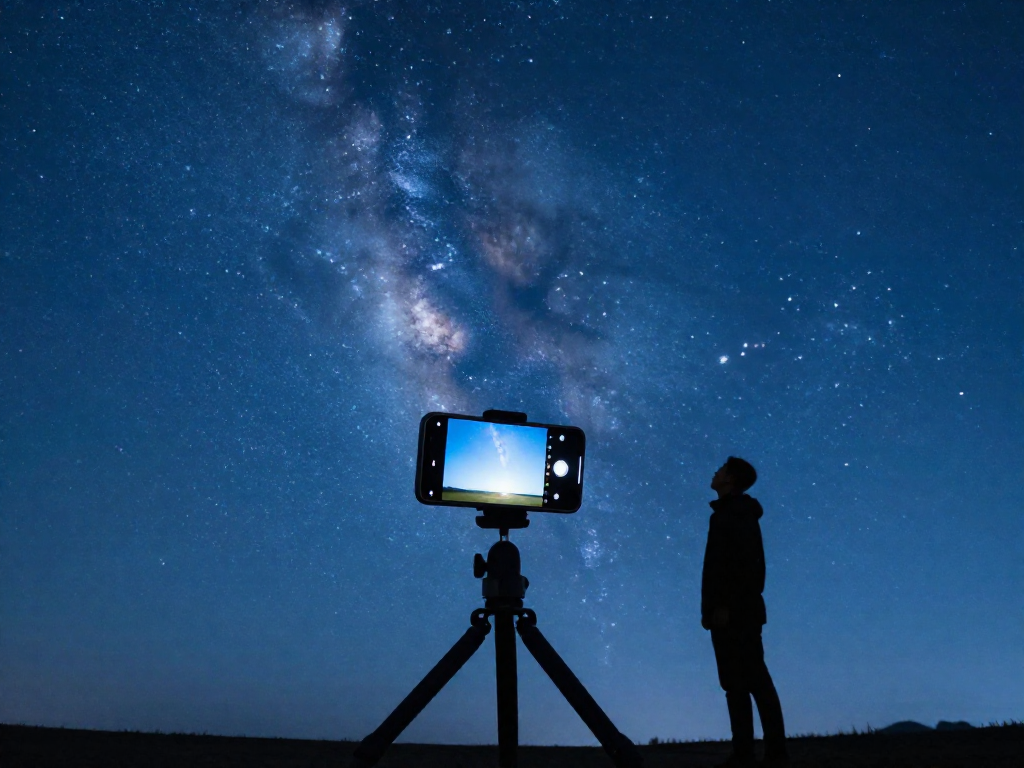
How to Photograph the Night Sky With Just a Phone
Yes, you can take stunning night sky photos with just a phone. Learn beginner-friendly settings, gear, and tricks to capture stars, the Moon, and the Milky Way.
Jun 29, 2026 · 11 min read
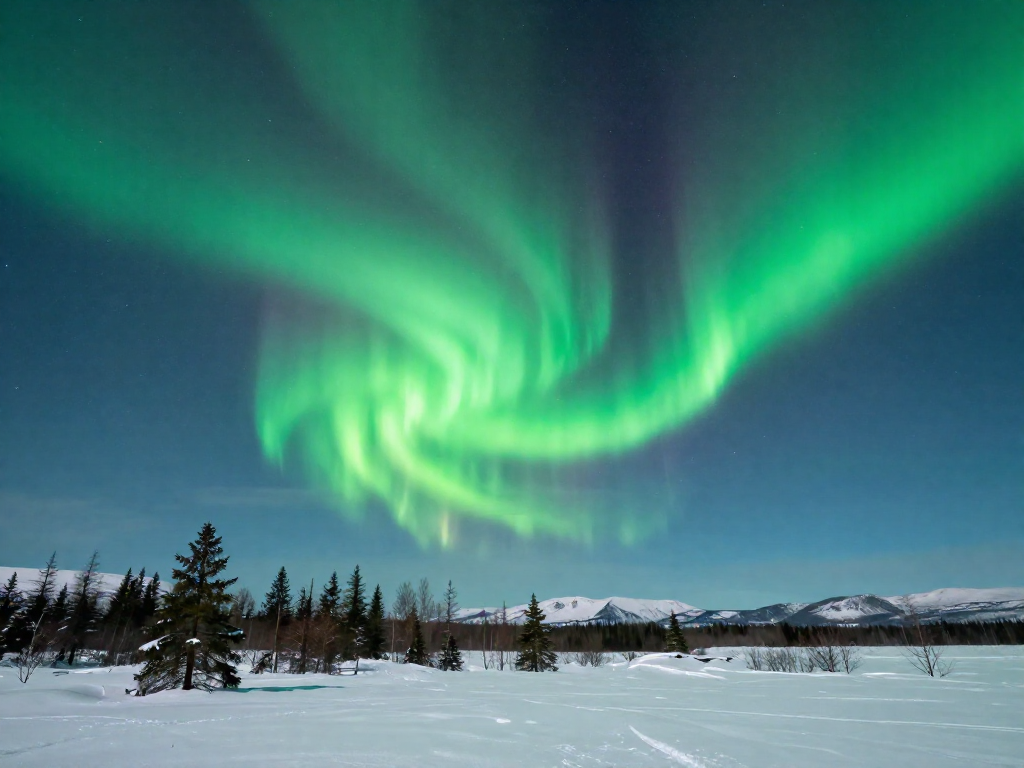
What Causes the Northern Lights, and Can Beginners See Them?
Curious about the Northern Lights? Learn what causes auroras in plain language, where and when to see them, and realistic tips for total beginners.
Jun 29, 2026 · 8 min read
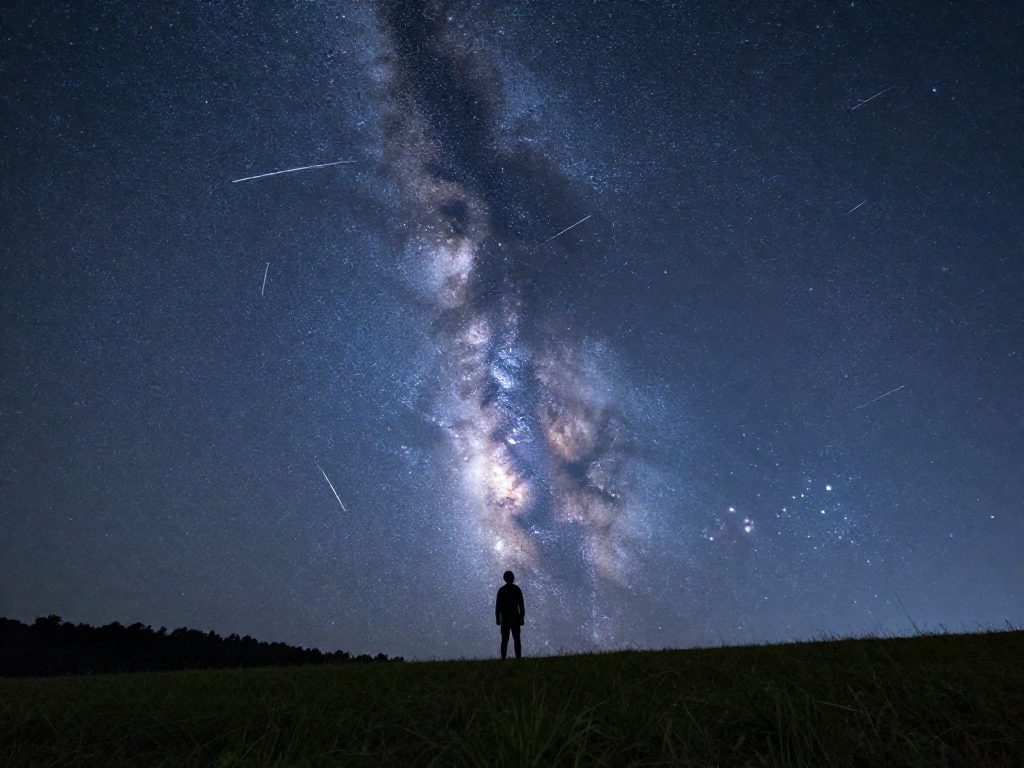
A Beginner's Sky-Watching Calendar: Events Worth Looking Up For
A simple year-round sky-watching calendar for beginners. Discover meteor showers, eclipses, and planet sightings worth looking up for—no telescope needed.
Jun 29, 2026 · 5 min read