A Beginner's Sky-Watching Calendar: Events Worth Looking Up For
What sky events happen through the year?
On this page
How to Use This Sky-Watching Calendar
Think of this calendar as a friendly invitation, not a homework assignment. You don't need fancy gear or a science degree—just a little patience and a clear night.
A few things to keep in mind before you start:
- The dates shift a little each year. Most of these events repeat annually, but they don't land on the exact same calendar day every time. A free stargazing app on your phone will give you precise times for your location.
- No telescope required. Almost everything here is visible with just your eyes. A telescope is a bonus, never a barrier.
- Darkness is your best friend. Get away from bright city lights if you can, then give your eyes about 20 minutes to adjust—suddenly far more stars appear.
Quick takeaway: Pick a clear night, find a dark spot, look up, and let your curiosity do the rest.
Meteor Showers Worth Staying Up For
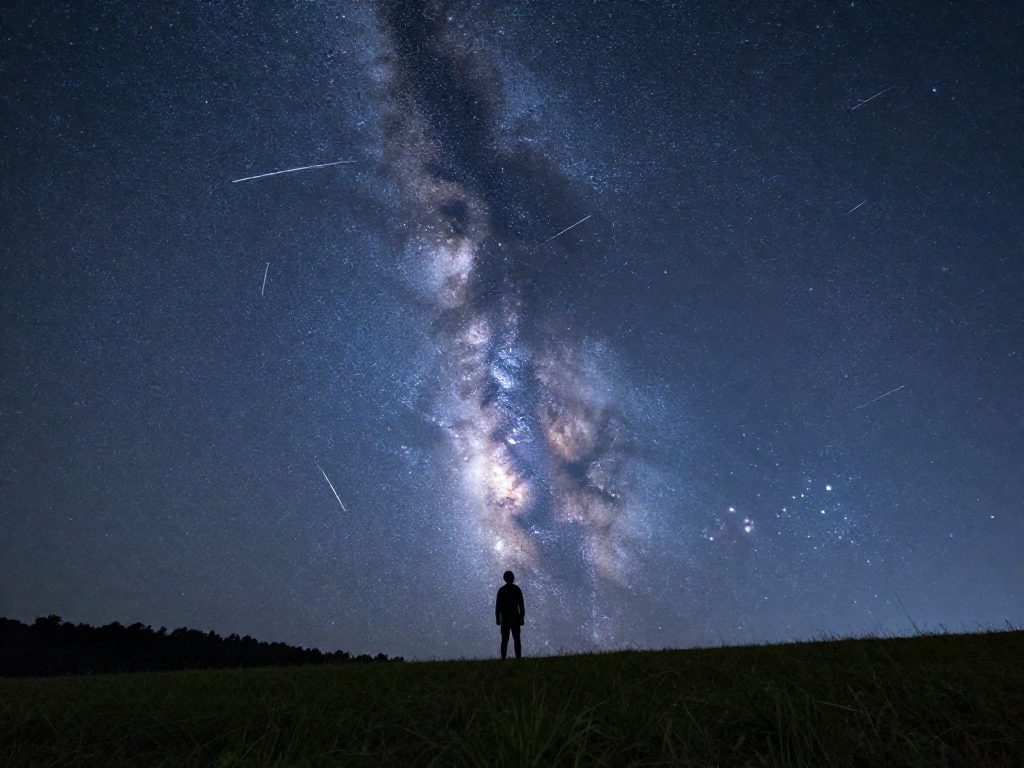
If you only watch a few sky events this year, make them meteor showers. They're the most beginner-friendly thing in astronomy: no telescope, no app, no expertise. You just lie back and look up. A meteor shower happens when Earth passes through a trail of dust left behind by a comet—essentially cosmic crumbs burning up in our atmosphere as bright streaks. Here are four that reliably deliver:
- Quadrantids (early January) — A short but intense burst. The peak lasts only a few hours, so timing matters, but it can put on a dramatic show for bundled-up watchers.
- Lyrids (mid-to-late April) — A welcome return of meteors after the quiet winter months. Modest in number, but a lovely spring tradition.
- Perseids (mid-August) — The crowd favorite. Warm weather and dozens of meteors per hour make this the easiest one to enjoy with friends.
- Geminids (mid-December) — Often the year's best and most reliable, with bright, slow streaks—worth braving the cold for.
One tip that changes everything: watch during the pre-dawn hours, when your side of Earth is turning into the debris stream, and avoid nights with a bright full moon, which washes out fainter meteors.
Quick takeaway: Perseids (August) and Geminids (December) are the easiest wins. Find a dark spot, look up after midnight, and give your eyes 20 minutes to adjust.
Shower dates shift slightly each year; check NASA's annual skywatching guide for exact peak nights.
Eclipses: Solar and Lunar
Eclipses are the showstoppers of the night and day sky—and unlike meteor showers, they don't reliably arrive every year for everyone. Whether you catch one depends a lot on where you happen to be standing on Earth.
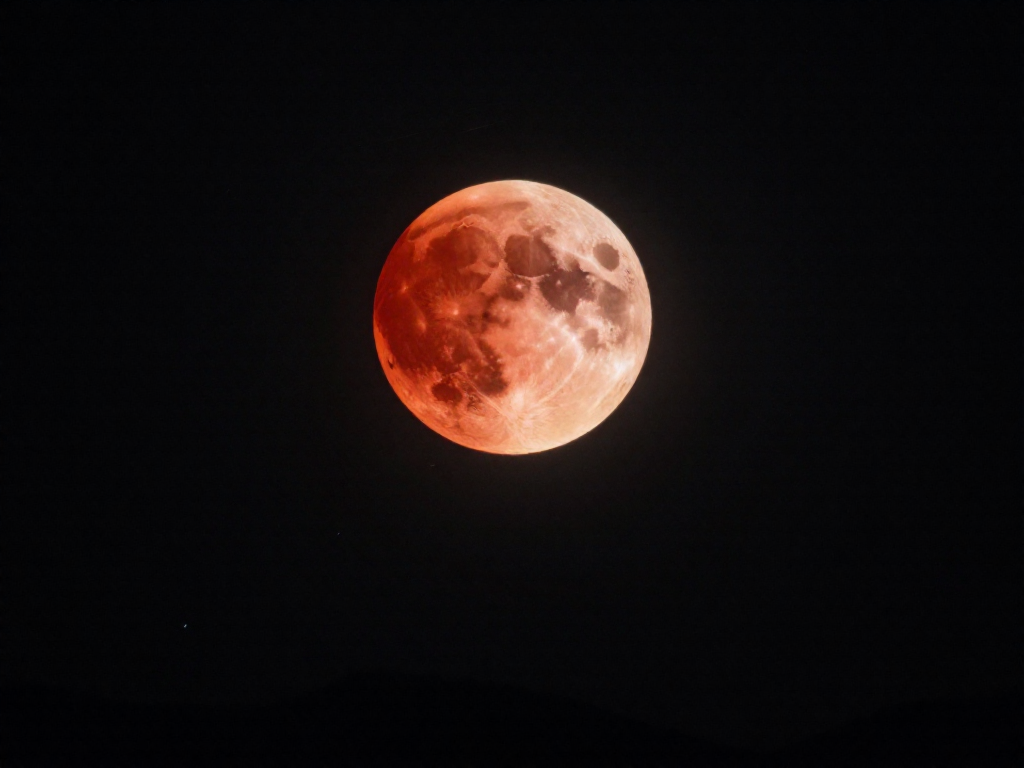
A lunar eclipse happens when Earth slips directly between the Sun and the full Moon, casting its shadow across the Moon's face. Instead of vanishing, the Moon often glows a coppery, blood-red color—sunlight bending through Earth's atmosphere, the same effect that paints our sunsets. It's completely safe to watch with the naked eye, no equipment required.
A solar eclipse is the reverse: the Moon passes between us and the Sun, briefly blocking its light in the middle of the day. This one comes with a firm rule: never look directly at the Sun. You need certified eclipse glasses (regular sunglasses are nowhere near dark enough) to protect your eyes.
Because eclipses are visible only along specific paths, check a reputable source like NASA's eclipse maps to see whether one is passing near you.
Quick takeaway: Lunar eclipses are safe and widely visible; solar eclipses need eye protection and only appear along narrow paths—so plan ahead.
Planets, the Moon, and Conjunctions
The best part of planet-watching? You don't need a telescope. Several planets are bright enough to spot with just your eyes once you know where to look.
Venus is the easiest. It's so brilliant that people often mistake it for an airplane or even a UFO. Depending on the time of year, you'll see it low in the east before sunrise (the "morning star") or in the west after sunset (the "evening star"). It's not a star at all—just our cloud-covered neighbor reflecting sunlight.
Jupiter and Saturn are visible to the naked eye for much of the year, glowing steadily rather than twinkling the way stars do. A cheap pair of binoculars will even reveal Jupiter's four largest moons as tiny dots beside it.
Keep an eye out for a conjunction—a fancy word for when two planets, or a planet and the Moon, appear to sit right next to each other in the sky. They're not actually close together; they just line up from our point of view.
And don't overlook a plain full moon. A supermoon (a full moon at its closest point to Earth) looks a touch bigger and brighter, but honestly, any clear full moon is worth stepping outside for.
Quick takeaway: Venus, Jupiter, and Saturn are all naked-eye easy. Watch for conjunctions and full moons—no equipment required.
Sources: NASA Skywatching, ESA.
Seasonal Highlights and Solstices
The sky has a yearly rhythm, and the equinoxes and solstices are its four signposts. The solstices (around June 21 and December 21) mark the longest and shortest days of the year, while the equinoxes (around March 20 and September 22) are the two days when daylight and darkness are nearly equal everywhere on Earth. Think of them as the calendar's built-in reminders to step outside and look up.
Each season also brings its own headline constellations—patterns of stars that act like familiar faces returning on schedule:
- Winter: Hunt for Orion, with its three-star "belt" that's easy to spot even from a city.
- Summer: Look for Scorpius, a curving line of stars shaped like its namesake scorpion, low in the southern sky.
Summer nights offer a bonus from the Northern Hemisphere: the Milky Way—the hazy band of our own galaxy's combined starlight—is at its most visible.
Quick takeaway: Use the solstices and equinoxes to anchor your year, and let each season's star patterns guide your gaze.
Source: NASA.
Simple Tips for Better Sky-Watching
You don't need expensive gear to enjoy the night sky—just a little preparation goes a long way.
- Let a free app be your guide. Apps like Stellarium or SkyView turn your phone into a pocket star map: point it at the sky and it labels the planets and constellations you're looking at.
- Dress for it. Even summer nights get chilly when you're sitting still. Bundle up and bring a reclining chair or blanket so you can look up without straining your neck.
- Give your eyes time to adjust. It takes about 20 minutes for your eyes to fully adapt to darkness—and one glance at a bright phone screen resets the clock. Dim your screen or switch to night mode.
- Start easy. Begin with the Moon and bright planets like Venus and Jupiter. They're simple to spot and build the confidence to chase trickier sights later.
Quick takeaway: A warm layer, a stargazing app, and a little patience are all it takes to start looking up with confidence.
See also
- How to Start Stargazing Without a Telescope
- What Causes a Meteor Shower? A Simple Explanation
- Beginner's Guide to Spotting the Planets
- Understanding Eclipses: Why They Happen
Related articles
How to Photograph the Night Sky With Just a Phone
Yes, you can take stunning night sky photos with just a phone. Learn beginner-friendly settings, gear, and tricks to capture stars, the Moon, and the Milky Way.
Jun 29, 2026 · 11 min read
What Causes the Northern Lights, and Can Beginners See Them?
Curious about the Northern Lights? Learn what causes auroras in plain language, where and when to see them, and realistic tips for total beginners.
Jun 29, 2026 · 8 min read
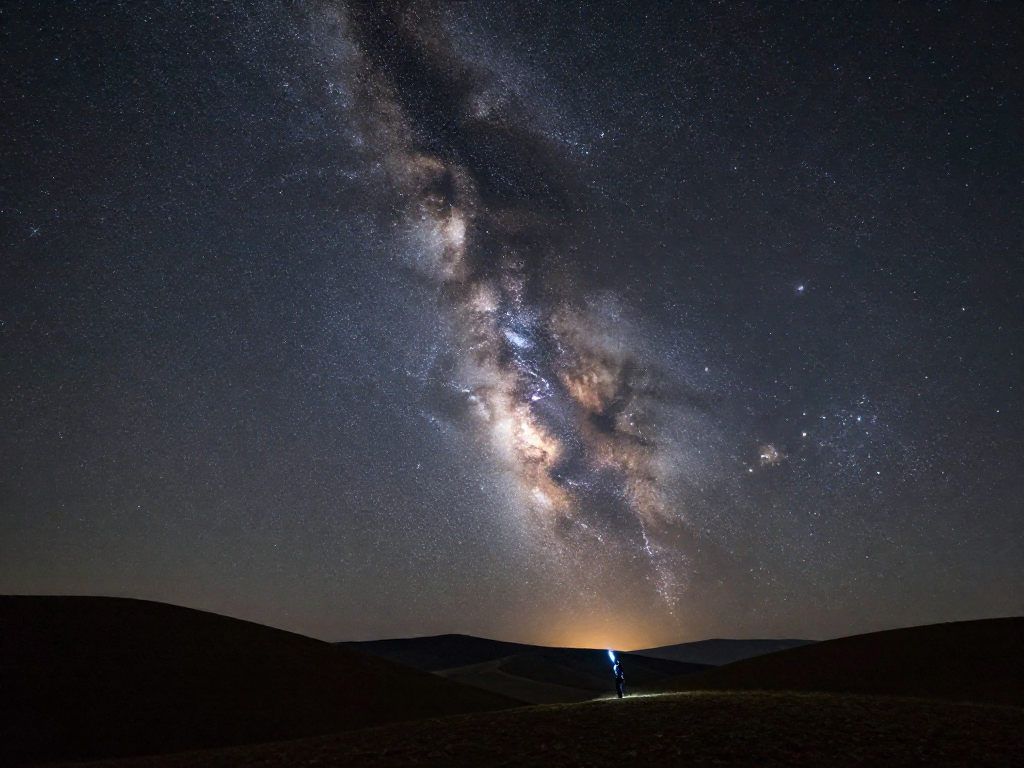
Best Times and Places to See the Milky Way With Your Own Eyes
Learn the best times, seasons, and dark-sky spots to see the Milky Way with your own eyes—no telescope or jargon required.
Jun 29, 2026 · 10 min read