What Causes the Northern Lights, and Can Beginners See Them?
What are auroras and how can I see them?
On this page
What Are the Northern Lights, Really?
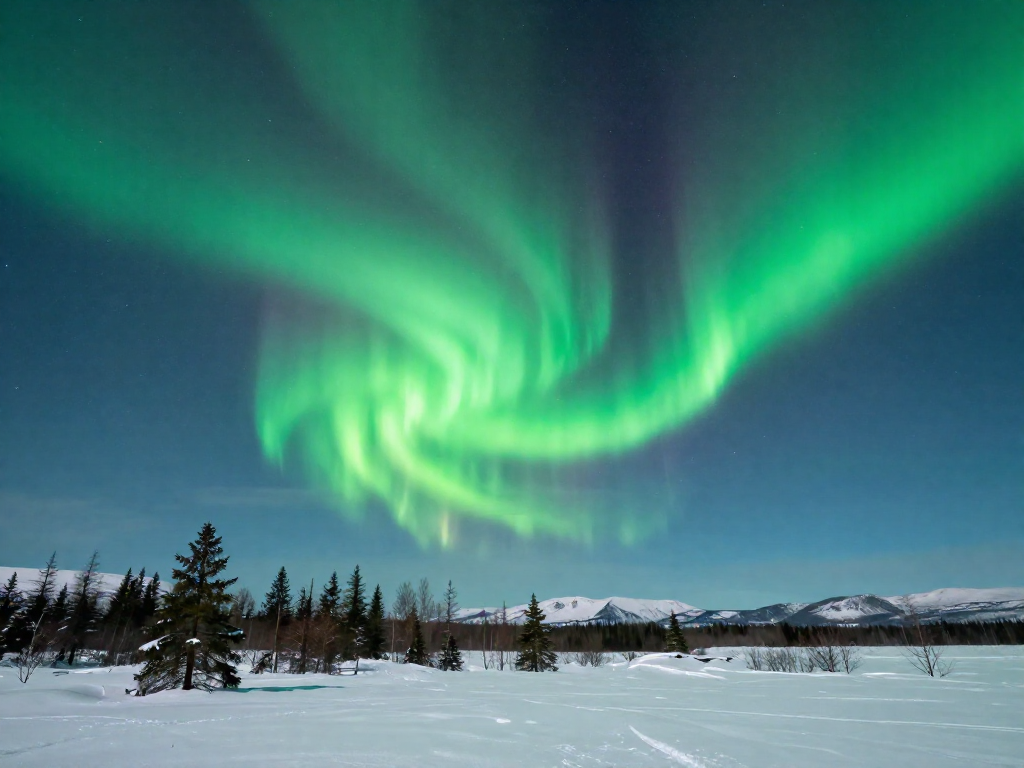
Imagine the sky throwing a silent, slow-motion light show—curtains of green, pink, and violet rippling overhead. That's the Northern Lights, and the cause is surprisingly simple: the Sun is constantly flinging tiny particles into space, and when they reach Earth, they crash into the gases high in our atmosphere (the layer of air that surrounds the planet). Those collisions make the air glow, a bit like how electricity makes a neon sign light up.
Scientists call this glow an aurora. In the Earth's far north it's the aurora borealis ("northern dawn"), and in the far south it's the aurora australis ("southern dawn"). Same phenomenon, opposite ends of the planet.
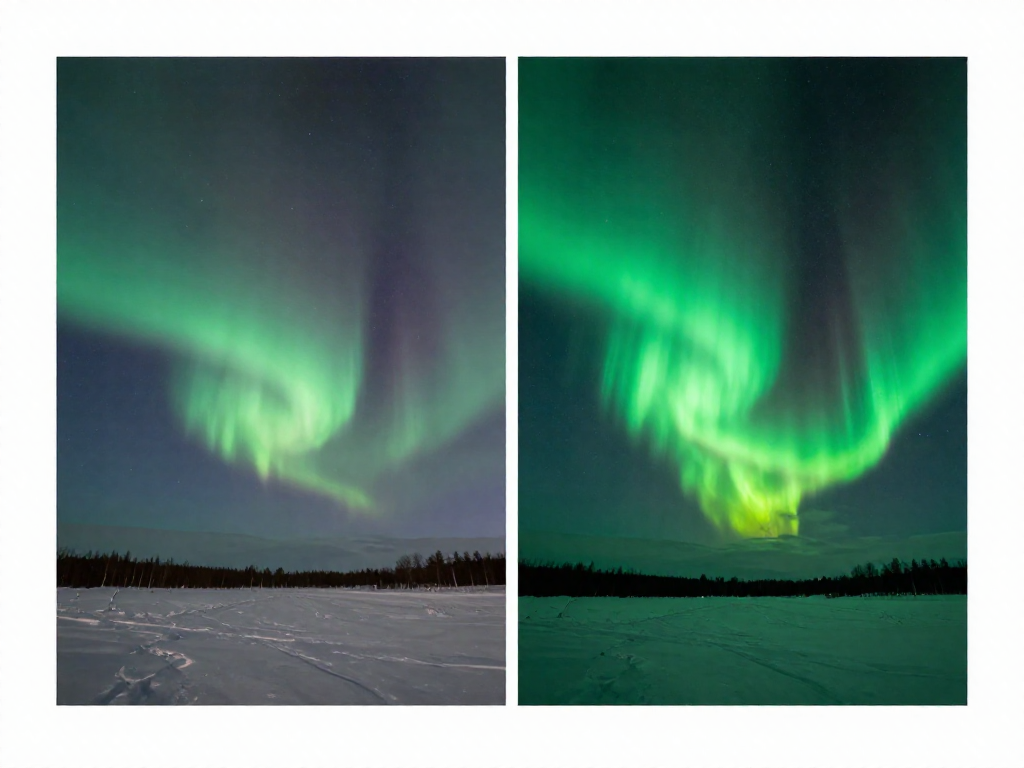
Here's the best part: this isn't a sight reserved for scientists or photographers. It's a natural event anyone can witness with their own eyes under the right conditions. And yes, it's genuinely real—not a camera trick. Cameras simply catch extra color and detail your eyes can miss in the dark, so photos often look more vivid than the live view.
Quick takeaway: Auroras are real, glowing skies caused by the Sun meeting Earth's air.
What Actually Causes Auroras (No Equations Required)
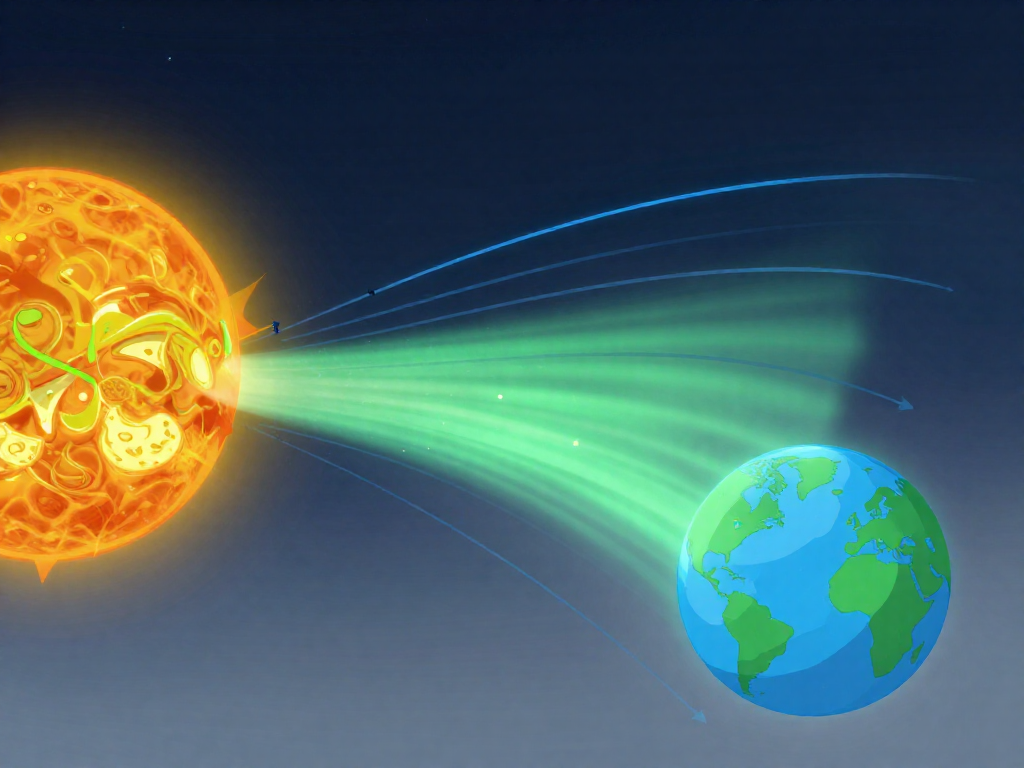
Auroras may look like magic, but they're really the end of a 93-million-mile journey that starts at the Sun. Here's the story, step by step.
1. The Sun is always "breathing out" particles. Our Sun constantly streams tiny charged particles—think of them as electrically charged specks too small to see—out into space. Scientists call this flow the solar wind. It blows past Earth all day, every day, like a never-ending cosmic breeze.
2. Earth's magnetic shield steers them to the poles. Earth behaves like a giant bar magnet, wrapped in an invisible force field called the magnetic field (the same thing that makes a compass needle point north). When the solar wind arrives, this field deflects most of it, but funnels some particles down toward the North and South Poles—which is exactly why auroras cluster near the top and bottom of the planet.
3. Collisions make the sky glow. High above the ground, those incoming particles slam into gas molecules in our upper atmosphere (the air far above where planes fly). Each collision gives the gas a tiny jolt of energy, and the gas releases that energy as a flash of light. Multiply that by billions of collisions, and you get glowing curtains across the sky. It works a lot like a neon sign: energize a gas, and it lights up.
4. The colors come from different gases. The hue depends on which gas gets hit and how high up. According to NASA, oxygen typically produces the familiar green glow—and, much higher up, rare reds. Nitrogen adds blues and purples along the lower edges of the display.
5. Bigger solar activity means bigger shows. When the Sun is especially active—during solar storms (sudden bursts of particles) or solar maximum (the busiest phase of the Sun's roughly 11-year activity cycle)—it hurls far more particles our way. That means brighter, wider auroras that can sometimes be seen much farther from the poles than usual.
Quick takeaway: Sun sends particles → Earth's magnetic field guides them to the poles → they crash into atmospheric gases → the gases glow. More solar activity equals a stronger show.
Why Auroras Mostly Happen Near the Poles
If you've ever wondered why aurora photos always seem to come from snowy places near the top of the world, there's a good reason — and it comes down to Earth's invisible magnetic shield.
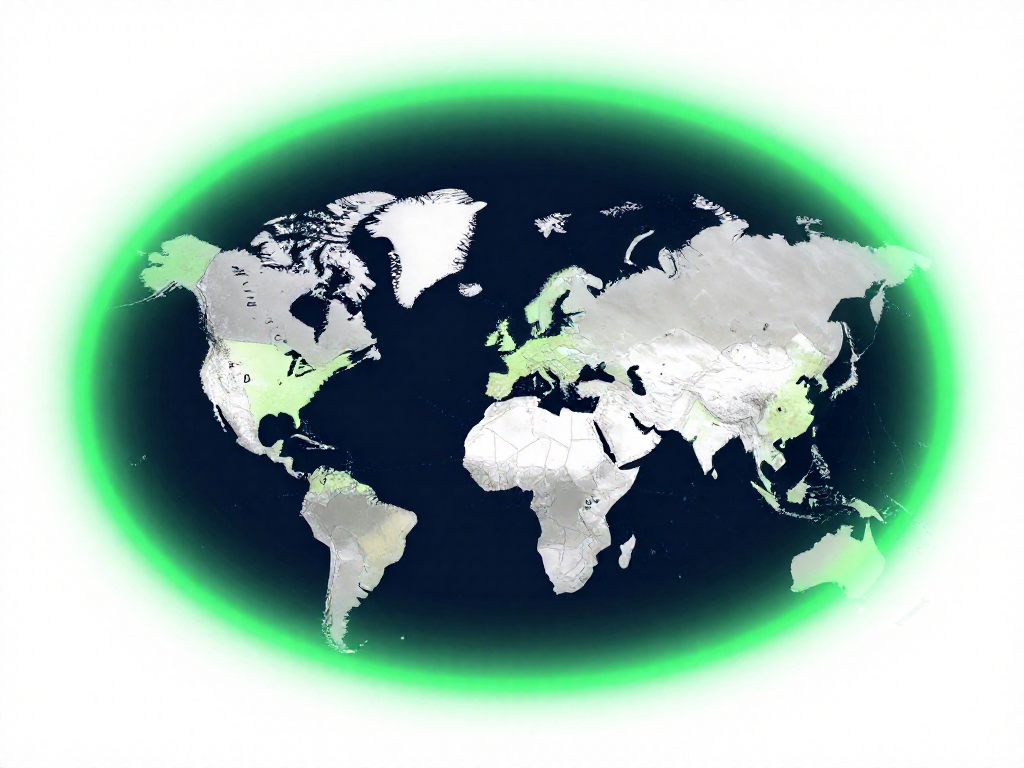
Our planet acts like a giant magnet, with magnetic field lines that funnel incoming particles from the Sun toward the two poles. The result is a glowing ring around each pole called the auroral oval — think of it as a crown of light hovering over the polar regions. Most of the time, this "crown" sits over high-latitude areas, which is exactly why location matters so much.
Your best bets in the north
For the Northern Lights (the aurora borealis), the sweet spots fall under or near this oval:
- Iceland
- Northern Norway (Tromsø is a favorite)
- Alaska (around Fairbanks)
- Northern Canada and northern Sweden and Finland
Why southern locations usually miss out
If you live closer to the equator — say, southern Europe or the southern United States — you're simply too far from the oval to catch the show on a typical night. The exception is a strong solar storm, when the Sun hurls out an extra-large burst of particles. During these rare events, the oval expands and auroras can appear much farther south than usual, according to NASA.
A balance at the bottom of the world
The Southern Hemisphere has its own version: the aurora australis, or Southern Lights. It behaves the same way, glowing over Antarctica and occasionally reaching places like Tasmania and southern New Zealand.
Quick takeaway: Auroras cluster in a ring around the poles, so heading far north (or far south) gives you the best chance — unless a powerful solar storm brings the lights to you.
Can Beginners Actually See the Northern Lights?
Quick takeaway: Yes, beginners can absolutely see the northern lights. You don't need any special gear or training. You do need darkness, decent timing, and a willingness to be patient.
Let's be honest, though, because that's the kind thing to do. The glowing curtains of green and purple you've seen in photos are real, but they're usually the camera's version of the show. A camera lens can soak up light over several seconds, stacking it into those vivid, saturated colors. Your eyes can't do that. To the naked eye, a typical aurora often looks more like a pale, shifting gray-green glow, a bit like faint smoke or a cloud lit from behind. On a strong night, the color and movement can be genuinely breathtaking. On a quiet night, it can be subtle enough that you'll ask, "Wait, is that it?"
That gap between expectation and reality is worth knowing up front, so you're delighted rather than disappointed.
The good news is how little you need:
- No telescope or binoculars. Auroras fill huge stretches of sky. Equipment that magnifies small, distant objects actually works against you here. Your unaided eyes are the right tool.
- Real darkness. Get away from city lights, which wash out faint glows the same way a bright room hides a dim nightlight.
- The right timing. Auroras come and go with the Sun's activity and can flare up for minutes, then fade.
This is where patience and a little luck come in. The lights don't perform on schedule. Many first-time viewers stand out in the cold, see nothing, then suddenly catch a slow ripple of light spreading overhead. That uncertainty isn't a flaw in the experience, it's part of the magic. You're watching the Sun and Earth interact in real time, and no one can promise exactly when the curtain will rise.
Beginner Tips for Catching the Lights
Seeing the aurora for the first time comes down to being in the right place, at the right time, looking the right way. Here's how to stack the odds in your favor.
1. Pick the long, dark nights. Auroras are always there, but you can only see them against a truly black sky. Aim for the darkest months in your region (roughly late autumn through winter in the far north), and plan around the new moon rather than a full moon, whose brightness washes out faint glows the same way a streetlight drowns out stars. The hours around midnight tend to be best.
2. Escape the city glow. Light pollution—the dome of artificial light hanging over towns—is the aurora's biggest enemy. Drive 30 minutes to an hour away from city lights toward open countryside. A clear northern horizon with no buildings or trees in the way makes a huge difference.
3. Check the forecast and the Kp index. Space-weather sites (NASA and NOAA both publish free aurora forecasts) rate activity using the Kp index, a simple 0-to-9 scale of how energetic the Earth's magnetic field is. Higher numbers mean the lights push farther from the poles. As a rough guide: Kp 3–4 may be enough at high latitudes, while Kp 6+ gives places farther south a real chance.
4. Let your eyes adjust and look north. Give your eyes at least 15–20 minutes in the dark—no phone screen—so they grow sensitive enough to catch faint color. Then face north, where auroras usually appear first.
5. Use your phone to confirm. A phone camera in night mode gathers more light than your eye and can reveal faint green or pink the eye barely registers. If your photo shows color, keep watching—activity often builds.
Quick takeaway: Dark, moonless winter nights, far from city lights, with a clear northern view and a glance at the Kp forecast, give beginners their best shot.
Common Myths and Misconceptions
A few popular beliefs set beginners up for disappointment. Let's clear them up.
-
Myth: They look exactly like the photos. Those glowing green and purple ribbons are often the result of long-exposure photography, where a camera collects light for several seconds. To your eyes, faint auroras can look like pale grayish-green haze. Strong displays do show color, but don't expect every show to match a postcard.
-
Myth: You can only see them at the North Pole in deep winter. Auroras circle the magnetic poles year-round. You just need dark skies, so the long nights of fall through early spring help. Countries like Iceland, Norway, Canada, and even northern parts of the US can deliver.
-
Myth: They appear every clear night up north. They depend on solar activity—bursts of particles from the Sun—which comes and goes.
Quick takeaway: Cold, clouds, and bad timing are the real spoilers. Dress warm, check an aurora forecast, and be patient.
See also
- What is the solar wind and how does it affect Earth?
- How to start stargazing with no equipment
- Understanding light pollution and how to escape it
- What is a solar maximum and why does it matter?
- Beginner's guide to reading sky and space forecasts
Related articles
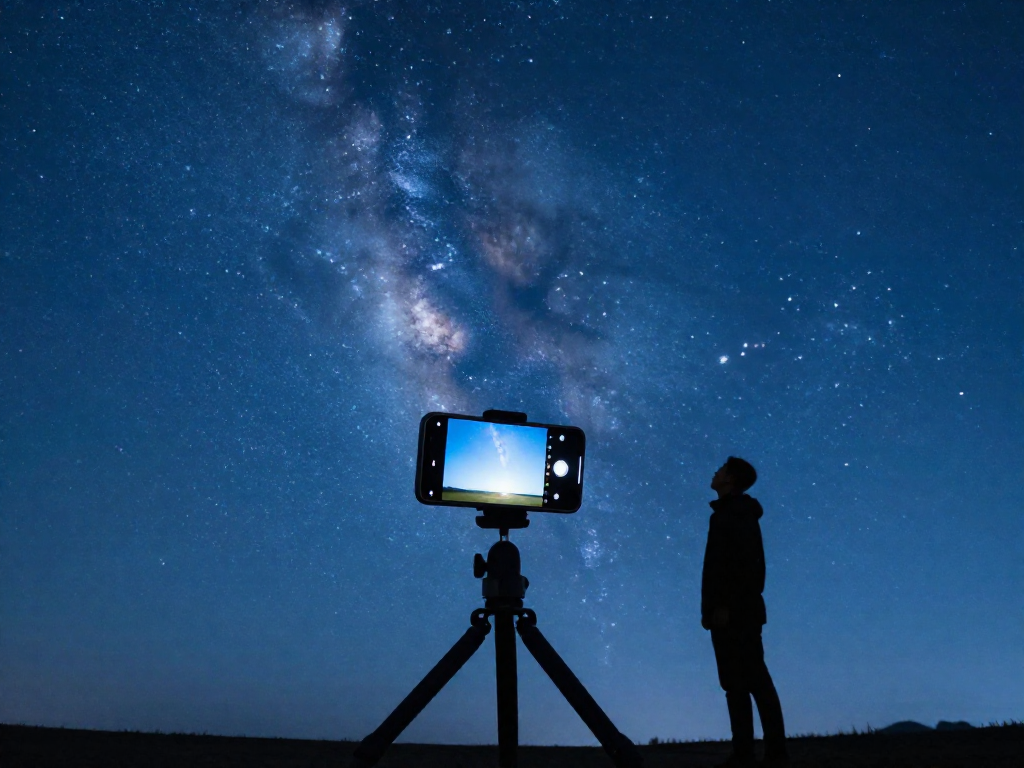
How to Photograph the Night Sky With Just a Phone
Yes, you can take stunning night sky photos with just a phone. Learn beginner-friendly settings, gear, and tricks to capture stars, the Moon, and the Milky Way.
Jun 29, 2026 · 11 min read
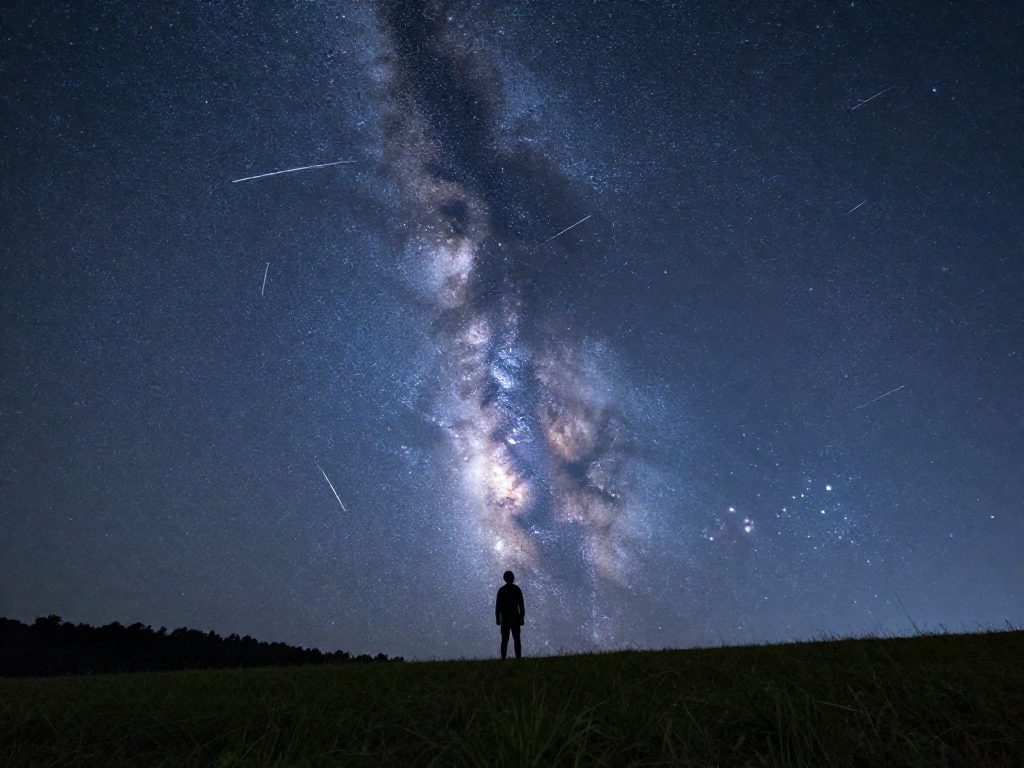
A Beginner's Sky-Watching Calendar: Events Worth Looking Up For
A simple year-round sky-watching calendar for beginners. Discover meteor showers, eclipses, and planet sightings worth looking up for—no telescope needed.
Jun 29, 2026 · 5 min read
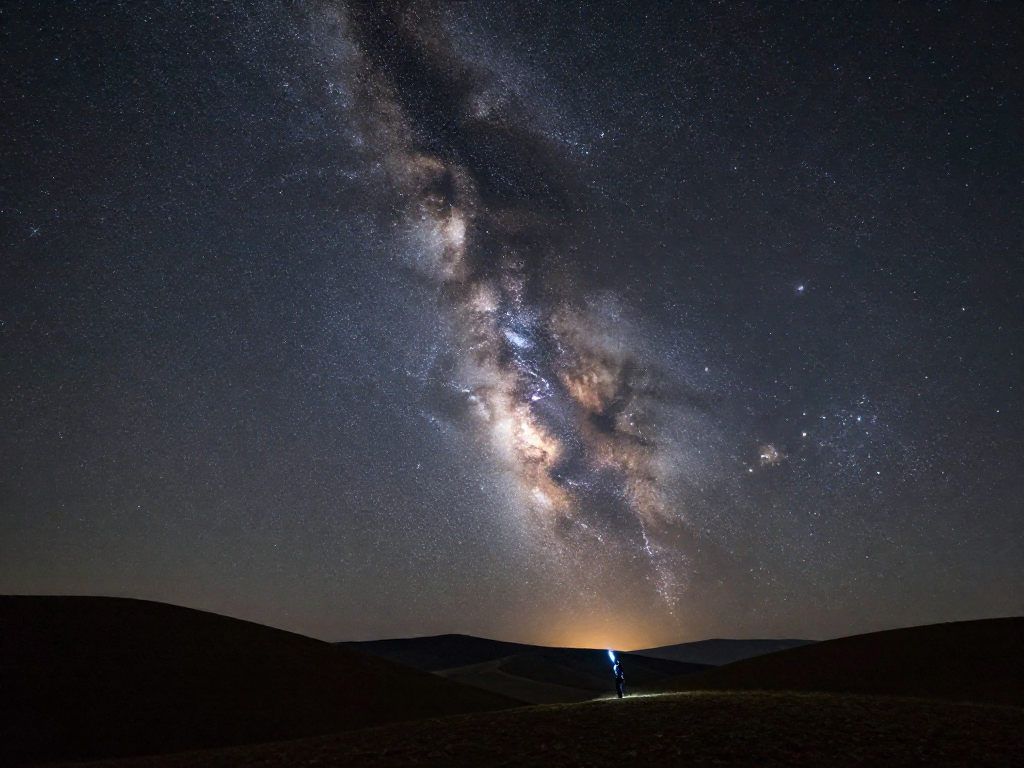
Best Times and Places to See the Milky Way With Your Own Eyes
Learn the best times, seasons, and dark-sky spots to see the Milky Way with your own eyes—no telescope or jargon required.
Jun 29, 2026 · 10 min read