Do You Need a Telescope to Enjoy Astronomy? An Honest Take
Should a beginner buy a telescope right away?
On this page
The Short Answer: No, You Don't (And Here's Why That's Good News)
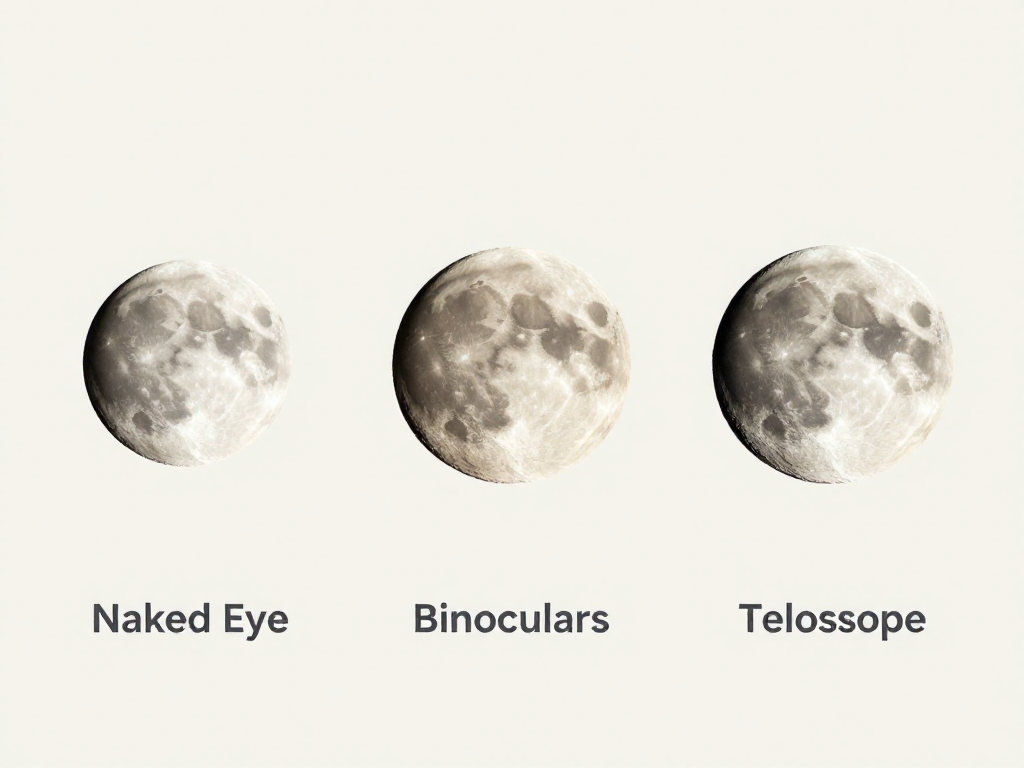
Let's settle the big question right away: no, you don't need a telescope to enjoy astronomy. In fact, your own eyes are a perfectly good place to start.
Think about it this way. The night sky is the biggest free show on Earth, open every clear evening, no ticket required. Without spending a single dollar, you can watch the Moon change shape, spot planets glowing among the stars, and catch a shooting star streak past.
Here's the part most beginners learn the hard way: buying a telescope first often backfires. A telescope is tricky to set up, hard to aim, and easy to point at empty black sky. Many people get frustrated and quit before they ever fall in love with the stars.
So we'll build up the smart way: eyes first, binoculars next, and a telescope later (only once you actually want one).
Quick takeaway: Start with your eyes. The sky is free, and skipping the telescope at first saves you money and frustration.
What You Can See With Just Your Eyes
Before you spend a cent, look up. The night sky hands you more than enough to fall in love with—no gear required.
The Moon is your easiest target. Watch it shift from a thin sliver to a full glowing disc over about a month as sunlight hits it from different angles (that cycle is what we call its phases). Even without help, you can spot the dark smudges astronomers nicknamed "seas"—they're actually ancient plains of hardened lava, according to NASA.
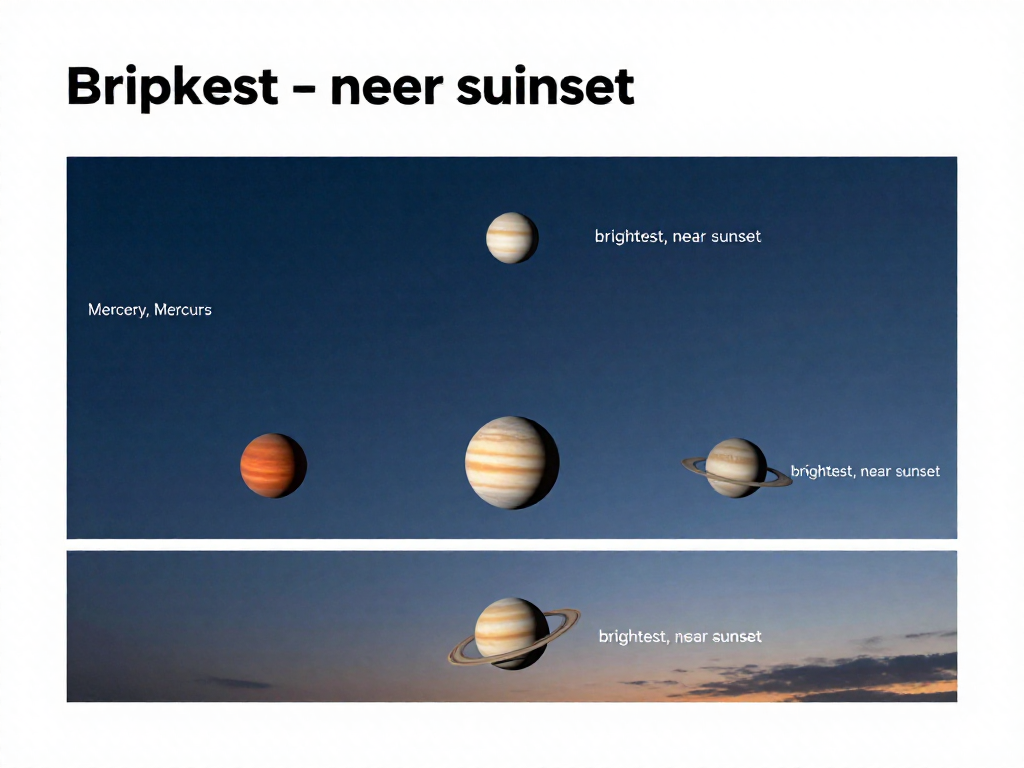
You can see planets, too—five of them. Venus, Mars, Jupiter, Saturn, and Mercury are all visible to the unaided eye. The trick to telling a planet from a star? Stars twinkle, but planets usually shine with a steady light. Venus gets so bright that people regularly mistake it for a plane or even a UFO.
The stars come in patterns. Constellations are simply shapes early sky-watchers traced between bright stars, like cosmic connect-the-dots. As Earth orbits the Sun, different patterns rise with each season, so the sky becomes a kind of slow-turning calendar. From a dark spot far from city lights, you can also catch the Milky Way—a hazy band of light that's the combined glow of billions of stars in our own galaxy, seen edge-on.
Some of the best sights are events. Meteor showers ("shooting stars") arrive on a predictable schedule. The International Space Station, a crewed spacecraft orbiting roughly 250 miles up, sails across the sky as a bright moving dot—NASA's free "Spot the Station" service tells you exactly when. Bright comets show up less often but are unforgettable.
Quick takeaway: Learning the sky by eye first builds the mental map that makes a telescope genuinely useful later—instead of confusing.
Why Binoculars Beat a First Telescope
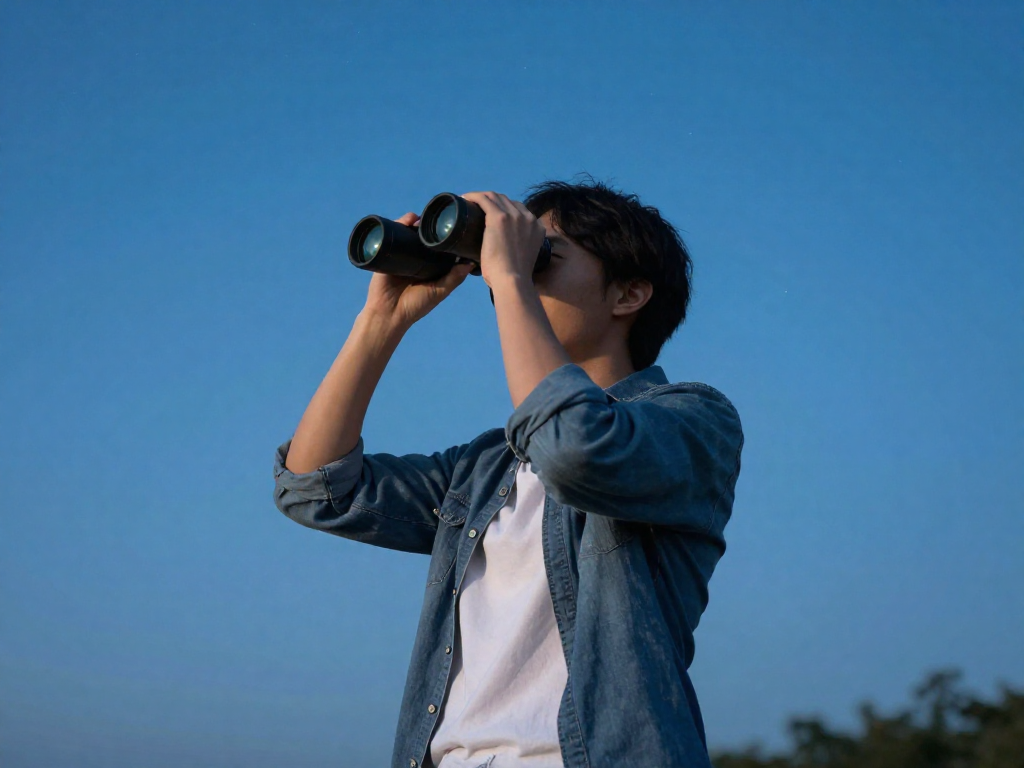
If you only take one piece of advice from this whole article, make it this: skip the beginner telescope and grab a pair of binoculars first. It sounds almost too simple, but it's the single best move a curious beginner can make.
Here's the honest problem with most starter telescopes. They're cheap, wobbly, and surprisingly hard to aim. The view is so zoomed in that finding anything feels like searching for a specific window in a city skyline through a drinking straw. Many people set one up once, get frustrated, and never bother again.
Binoculars sidestep all of that:
- They're easy to point. Both your eyes stay open and you look in roughly the direction of what you want to see—no fiddly setup, no tripod, no manual.
- They show real, jaw-dropping detail. With a steady pair you can spot craters along the edge of the Moon, the four largest moons of Jupiter (the same ones Galileo saw in 1610), and glittering star clusters that look like a single fuzzy dot to the naked eye.
- The wide view makes finding things intuitive. "Field of view" just means how much sky you see at once. Binoculars show a generous patch, so sweeping across the stars feels natural instead of disorienting.
A no-jargon spec to look for: numbers like 7x50 or 10x50. The first number is how much closer things appear (7 or 10 times), and the second is the width of the front lenses in millimeters—bigger lenses gather more light, so dim objects look brighter. Both are excellent, affordable beginner choices.
Quick takeaway: Because there's no setup friction, you'll actually use binoculars. And the gear you use beats the fancier gear gathering dust in a closet.
The Honest Case Against Buying a Telescope First
Let's be honest about what nobody tells excited beginners: rushing to buy a telescope often kills the joy faster than it sparks it. Here's the real downside list.
1. "Department-store" scopes can be worse than nothing. Those cheap, flashy telescopes (the kind boxed with dramatic galaxy photos) usually have wobbly tripods and blurry optics. A decent pair of binoculars will almost always show you more.
2. The learning curve is real. Pointing a telescope at a specific star means aligning it (lining the scope up so it knows where it's looking), focusing it, and then actually finding your target—all while everything drifts as Earth slowly turns. It's genuinely fiddly at first.
3. The expectation gap stings. The glowing, colorful planets you see online are long-exposure photos taken by huge instruments. Through a starter scope, Saturn is a tiny, pale dot with rings—beautiful, but smaller and dimmer than you imagined.
4. Setup hassle saps motivation. On a cold or busy night, hauling out gear and spending 20 minutes setting up is often enough to make you stay inside.
5. Buying blind wastes money. There are several scope types, each suited to different targets. Without knowing what you enjoy watching yet, it's easy to spend on the wrong one.
Quick takeaway: A telescope isn't a magic shortcut to wonder—and bought too soon, it can become an expensive dust collector.
When a Telescope Actually Makes Sense
A telescope isn't a beginner's first purchase—it's a reward for curiosity that's already taken root. Here's when it earns its place.
You've learned the sky's layout. Once you can step outside and point to a few constellations, spot the brighter planets, and "star-hop" (using familiar stars as signposts to find fainter ones), a telescope becomes a tool you can actually aim. Before that, it's just a confusing tube.
You're hungry for detail. Your eyes and binoculars show you where things are; a telescope shows you what they are. This is when Saturn's rings snap into focus, the Moon's craters gain sharp shadows, and faint smudges resolve into galaxies and nebulae (glowing clouds of gas and dust where stars are born).
You're already out there regularly. If you keep heading outside on clear nights and wishing for more, that's your real signal—not a sale.
A quick word on types: refractors (lens-based, like a spyglass) are low-maintenance, while reflectors (mirror-based) give you more view for your money. Don't agonize over it yet.
Best move? Try before you buy. Local astronomy clubs and star parties let you look through different scopes for free.
Quick takeaway: Buy a telescope when you already know the sky and crave more detail—not to get started.
A Simple No-Pressure Starter Plan
Here's the good news: you can start tonight, for free, and let curiosity decide what comes next.
- Learn the Moon and a few constellations. Step outside and just look up. Notice how the Moon's shape shifts night to night, and pick out one easy pattern of stars, like the Big Dipper. No gear required.
- Use a free stargazing app. Apps like NASA's NASA App or Stellarium (a free planetarium program) let you hold your phone to the sky and instantly name the stars and planets you're seeing. It's like having a tour guide in your pocket.
- Add binoculars once you're hooked. A regular pair of binoculars reveals craters on the Moon and the moons of Jupiter, and it costs far less than a telescope. This is the cheapest big upgrade you'll ever make.
- Consider a telescope only when you've outgrown binoculars. When you find yourself wanting to chase fainter, more distant objects, then it's time to shop, knowing what you actually enjoy.
Quick takeaway: The real goal isn't expensive equipment, it's curiosity and showing up under the sky consistently. The rest follows naturally.
See also
- A beginner's guide to identifying constellations
- How to watch a meteor shower with no equipment
- Best free stargazing apps for beginners
- What you can see on the Moon tonight
- How to spot the planets with your naked eye
Related articles
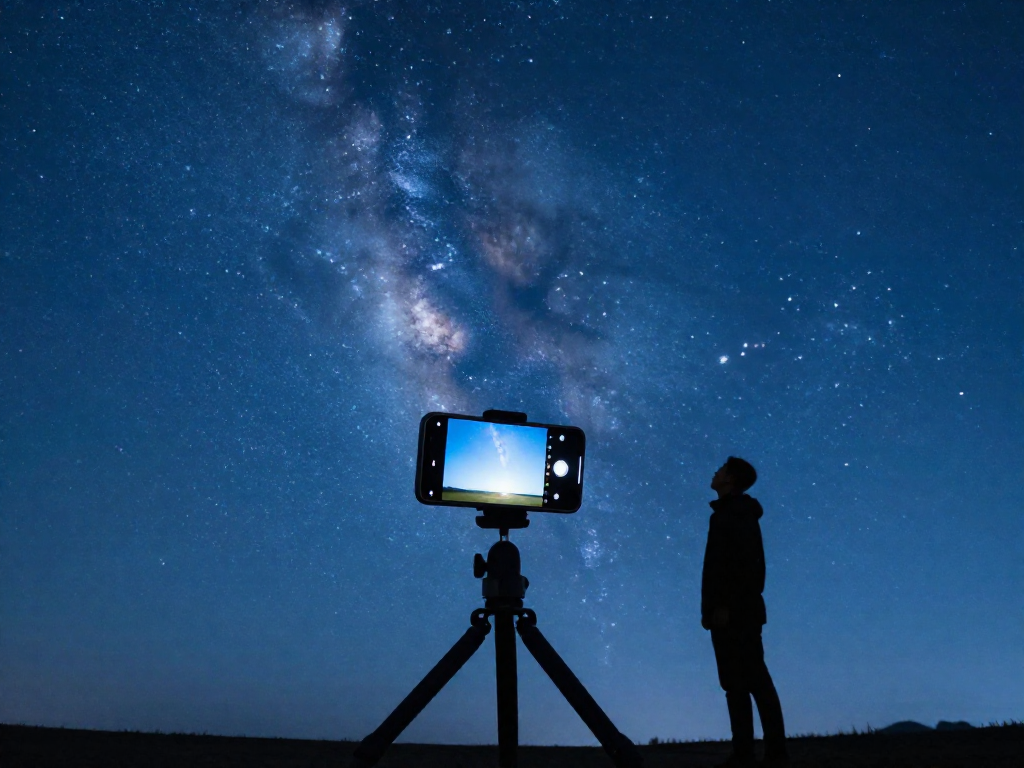
How to Photograph the Night Sky With Just a Phone
Yes, you can take stunning night sky photos with just a phone. Learn beginner-friendly settings, gear, and tricks to capture stars, the Moon, and the Milky Way.
Jun 29, 2026 · 11 min read
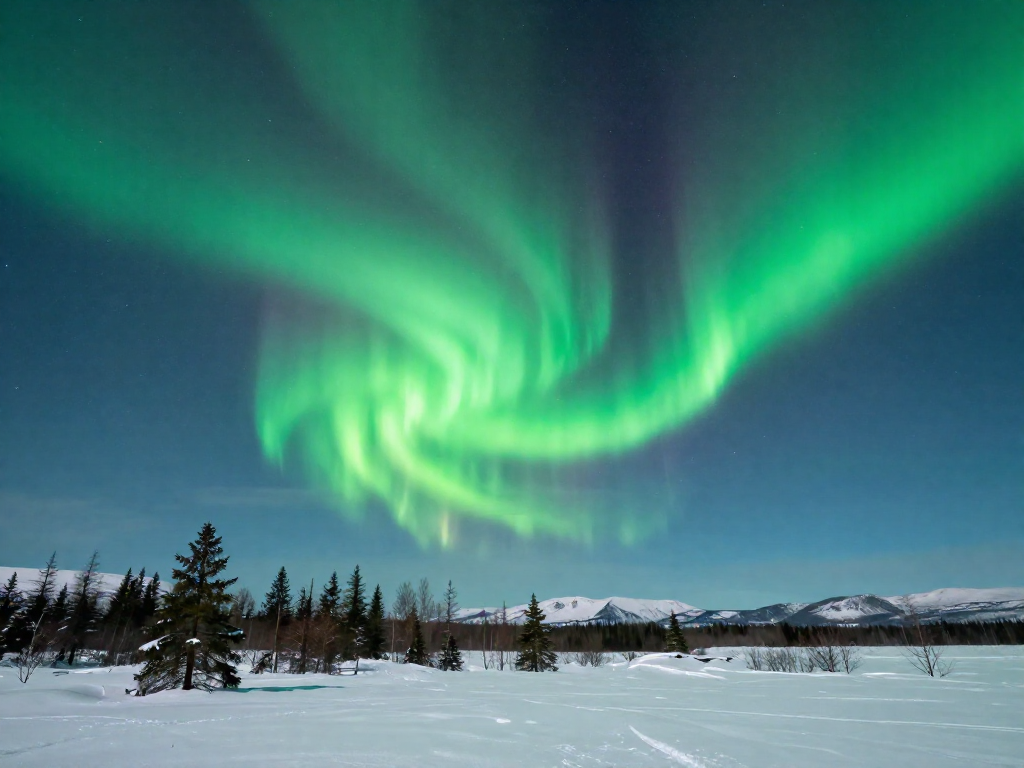
What Causes the Northern Lights, and Can Beginners See Them?
Curious about the Northern Lights? Learn what causes auroras in plain language, where and when to see them, and realistic tips for total beginners.
Jun 29, 2026 · 8 min read
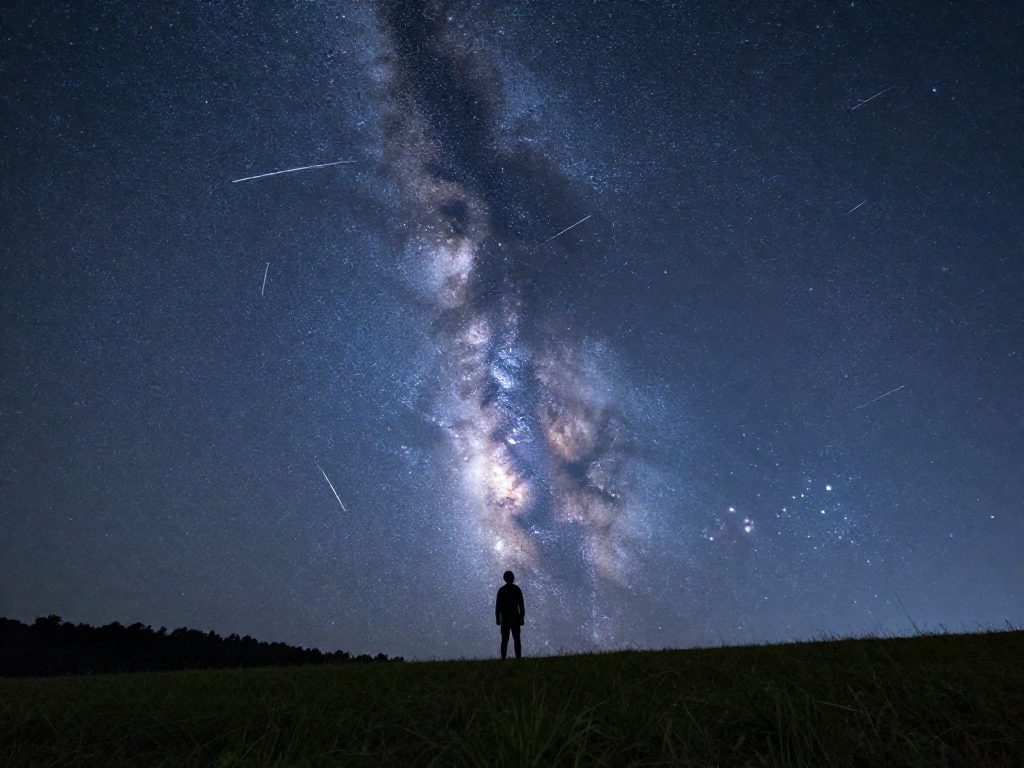
A Beginner's Sky-Watching Calendar: Events Worth Looking Up For
A simple year-round sky-watching calendar for beginners. Discover meteor showers, eclipses, and planet sightings worth looking up for—no telescope needed.
Jun 29, 2026 · 5 min read